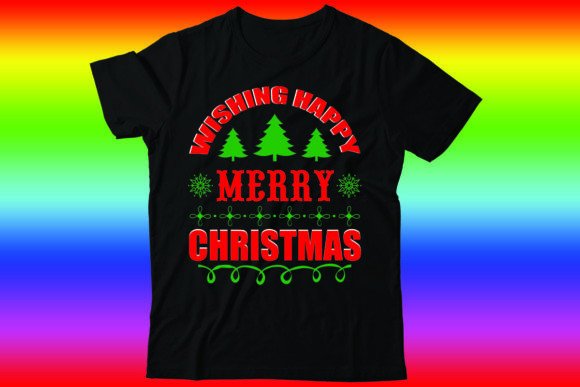
Wishing Happy Merry Christmas: A Review for T-Shirt Designs
As a brand designer and content marketer, I am constantly evaluating the visual assets that will anchor our campaigns. Recently, I came across Wishing Happy Merry Christmas, a graphic design asset intended for seasonal marketing and apparel. Before integrating this into a real-world workflow, I needed to determine if it could stand up to the rigorous demands of professional branding. This review focuses on how this creative design functions within a broader strategy, specifically looking at its potential as part of a T-Shirt Designs collection or a larger digital product line.
The First Impression: Mood and Audience Perception
When you first encounter Wishing Happy Merry Christmas, the immediate feeling is one of warmth and approachability. In the crowded marketplace of holiday visuals, many designs lean too heavily into clichés or become overly cluttered. However, this asset strikes a balance that feels both festive and refined. It creates a mood that is perfect for casual branding, lifestyle content, and handmade product promotions without appearing cheap or unprofessional.
The emotional tone suggests a connection to family traditions and community gatherings. For small business owners and online coaches, this is crucial. The asset does not scream for attention in an aggressive way; instead, it invites the audience in. Whether you are refreshing social media graphics or designing packaging inserts, this illustration brings a sense of genuine celebration. It supports a visual hierarchy where the message is clear, allowing the viewer to feel the spirit of the season before even reading the text.
Integrating Into a Real Marketing Campaign
Imagine a scenario where a boutique clothing brand is launching a new holiday collection. They need a cohesive look across their website headers, Instagram posts, and Pinterest pins. This is where Wishing Happy Merry Christmas becomes invaluable. Instead of creating custom artwork from scratch, which can be time-consuming and expensive, this design asset serves as a versatile foundation.
In my recent project planning, I envisioned using this SVG design for a series of promotional banners. By placing it strategically alongside product photography, we could create a seamless transition from the ad to the checkout page. It works exceptionally well as a decorative brand element on email banners or as a focal point for lead magnets like printable calendars. The versatility allows it to fit into a commercial design bundle, giving content creators a ready-made solution for their seasonal needs.
Performance Across Marketing Channels
A strong graphic design asset must perform consistently across various platforms. Wishing Happy Merry Christmas demonstrates excellent adaptability. On social media graphics, such as Facebook ads or Instagram stories, it acts as a powerful hook. Its clean lines ensure that the text remains legible even when viewed on smaller mobile screens, a common pitfall for many modern design templates.
For editorial design and blog graphics, the asset adds a touch of personality that aligns with the narrative of the post. When used in web design, it can serve as a hero graphic that sets the tone for a landing page dedicated to holiday sales. Furthermore, its resolution quality makes it suitable for high-end applications like product labels and packaging design. If you are selling physical goods, seeing this design printed on a sticker or a gift tag can significantly boost perceived value and enhance audience trust.
Strategic Branding Benefits
Why choose this specific PNG design over generic clipart? The primary benefit lies in stronger recognition and emotional connection. Consistent branding relies on elements that tell a story. Wishing Happy Merry Christmas tells a story of goodwill, which resonates deeply during the holiday season. By incorporating this into your brand identity, you signal that you care about the customer experience beyond just the transaction.
This asset supports better product presentation by framing your offerings within a festive context. It improves engagement rates because users are more likely to interact with visuals that evoke positive emotions. Additionally, it ensures a professional appearance, distinguishing your campaign from competitors who might use lower-quality, pixelated images. When you combine this with a well-thought-out color palette, the result is a memorable campaign visual that stands out in a sea of noise.
Optimal Use Cases for Design Assets
There are specific areas where Wishing Happy Merry Christmas shines brightest. It is ideal for campaign headers where you need to capture attention immediately. As a branded template component, it can speed up the creation of content bundles for social media managers. It also excels as a packaging accent, adding a premium touch to shipping boxes.
For digital sellers, this illustration is perfect for creating downloadable products, such as Canva templates or printable promotions. Event flyers and posters also benefit from the clear visual hierarchy provided by this asset. It acts as a central anchor around which other information can be organized, ensuring that the key message is never lost. Whether you are a creative entrepreneur or a publisher, having this in your arsenal of design assets provides a significant competitive edge.
Where Caution Is Required
Despite its strengths, no single asset is a magic bullet. There are scenarios where Wishing Happy Merry Christmas should be used carefully. For formal corporate branding, especially in industries like finance or law, the playful nature of the design might clash with the desired serious tone. Similarly, in dense information layouts, such as complex data reports, this asset could distract rather than inform.
It is also important to avoid using it on low-contrast backgrounds where readability might suffer. If your brand aesthetic is overly minimal, this asset might feel too heavy or ornate. In text-heavy ads, ensure that the design does not compete with the main call-to-action message. Always test the visual weight of the asset against your existing brand elements to maintain balance.
Essential Designer Notes for Implementation
To get the most out of Wishing Happy Merry Christmas, practical testing is non-negotiable. Start by checking how it interacts with your brand color palette. Does it harmonize with your primary colors, or does it clash? Testing the asset in black and white usage is also critical to ensure it retains its shape and impact without color.
I recommend placing the design inside real campaign mockups to see how it looks in context. Preview it on mobile screens to verify readability in small sizes. Compare it against competitor visuals to ensure it offers something unique. Pay close attention to typography pairing; this asset might pair beautifully with a script font for a handwritten feel, or a sans serif font for a modern design look. Conversely, test it with serif fonts to see if it achieves a classic editorial style.
Finally, review the spacing and balance within your layout. Most importantly, confirm the commercial license before using it in paid campaigns, client work, or business branding. Ensuring you have the right permissions protects your reputation and avoids legal issues. By following these steps, you can leverage Wishing Happy Merry Christmas as a powerful tool for content marketing and professional branding.