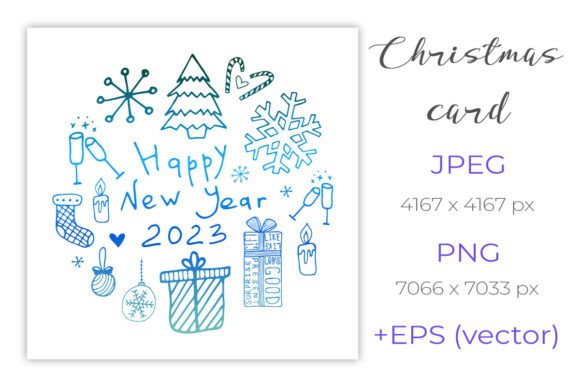
Winter Sublimation. New Year Card Embroidery Review
As someone who has spent years turning digital files into tangible, stitched treasures for clients and my own craft business, I know that the success of a project often hinges on the design file before a single stitch is laid down. Recently, I had the opportunity to evaluate Winter Sublimation. New Year Card, an illustration designed specifically for machine embroidery applications. My goal was not just to admire the aesthetic but to stress-test it against real-world scenarios: custom apparel, boutique merchandise, and personalized holiday gifts. This review breaks down exactly how this design performs when moved from the screen to the hoop.
The First Impression: Mood and Visual Personality
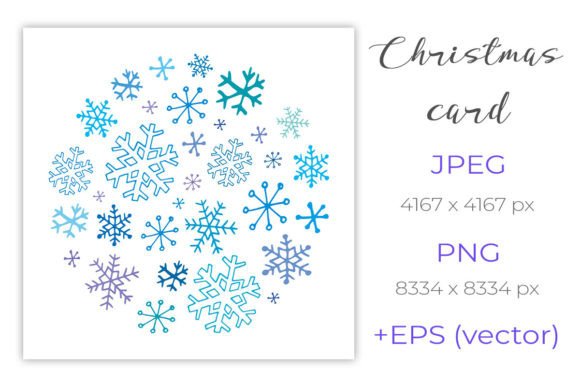
When you first open the file for Winter Sublimation. New Year Card, the immediate takeaway is its seasonal warmth. The illustration captures the essence of the holiday season without feeling cluttered or overly busy. For an embroidery designer, the layout is crucial; if a design feels too crowded, it loses definition once stitched. This piece strikes a balance that suggests it belongs in cozy, intimate settings rather than high-impact, large-scale branding.
The visual personality leans heavily towards traditional holiday cheer. It evokes feelings of nostalgia, perfect for a nursery, a kitchen towel, or a festive apron. Unlike some modern, minimalist designs that rely on negative space, this illustration uses detail to create texture and depth. It feels like a design meant to be held, worn, and cherished. The composition naturally guides the eye, making it an excellent candidate for personalized gift items where the emotional connection is as important as the craftsmanship.
Real-World Application: From Screen to Stitch
To truly understand the utility of this design, I imagined placing it on various substrates. Let's say you are preparing a batch of custom embroidered tote bags for a local holiday market. Winter Sublimation. New Year Card would sit beautifully on the front panel of a canvas tote. The design's scale allows it to be prominent without overwhelming the fabric. However, the choice of thread colors becomes critical here. On a natural beige bag, the contrast needs to be sharp to ensure the details pop. If you opt for a dark navy tote, you would need to adjust your color palette to maintain legibility.
I also considered using this design for baby clothes. The soft, illustrative style fits perfectly with the gentle aesthetic of newborn garments. Whether stitched onto a onesie or a small blanket, the design adds a layer of sentimentality that parents love. It works well as a holiday embroidery accent on a sweatshirt cuff or a patch pocket. For a small shop owner looking to expand their Etsy listings, this file offers versatility. It can serve as a central motif for a pillow cover or a decorative element on a set of matching tea towels.
In terms of commercial viability, the design has strong potential for small business merchandise. It bridges the gap between a simple logo and a complex artwork. Customers browsing handmade goods often look for items that feel unique yet familiar. This design hits that sweet spot. It is specific enough to stand out but general enough to appeal to a broad audience celebrating the New Year.
Technical Considerations and Potential Pitfalls
While the design is visually appealing, every embroidery file comes with technical constraints that must be respected. One area where Winter Sublimation. New Year Card requires careful attention is stitch density. If the fill stitches are too dense, the fabric may pucker, especially on thinner materials like cotton blends or lightweight linens. When working with stretchy fabrics, such as jersey knits for t-shirts, the risk of distortion increases. In these cases, using a proper stabilizer is non-negotiable to maintain the integrity of the embroidery project.
Another factor to consider is the hoop size. If you attempt to embroider this design on a curved surface like a cap or a fitted hat, the flat nature of the illustration might not translate well to the curve unless digitized specifically for that shape. Similarly, if you plan to use this on a very small item, like a keychain or a tiny badge, the fine details could get lost. The design likely contains intricate lines that require a clear path; if the stitching path is too tight, the needle might skip or break, leading to a poor finish.
Dark fabrics present another challenge. Unless you plan to use a heavy underlay or a backing material, light-colored threads might struggle to show up vividly against a black background. This is where testing becomes essential. Before committing to a full production run for custom apparel, always test the design on scrap fabric that matches your final product. Check the thread color contrast to ensure the white or light elements do not disappear into the weave of the fabric.
Professional Tips for Execution
To get the most out of this design, I recommend starting with a thorough review of the digitization. Look at the stitch types used—specifically how the satin stitch handles the edges and how the fill stitch covers the larger areas. A good design will have smooth transitions between different stitch directions to prevent bird nesting or thread breaks. If you notice any jagged corners or tiny, isolated stitches, you may need to manually edit the file or simplify the design before stitching.
For those selling finished products, presentation matters. The quality of the stitching directly impacts customer trust. A clean, crisp execution of Winter Sublimation. New Year Card signals professionalism and care. Conversely, skipped stitches or visible puckering can undermine the perceived value of your handmade product. To avoid this, ensure you are using the correct type of stabilizer for your fabric weight. Cut-away stabilizers are generally best for stability on heavier items, while tear-away might suffice for lighter projects.
Don't forget to inspect small details closely. Sometimes, text or fine lines in an illustration can become illegible after stitching due to thread thickness. Run a test in black and white mockups to see how the contrast holds up. If the design includes lettering, verify that the font size is large enough to be readable even when the thread spreads slightly during the stitching process.
Final Thoughts on Design Value
Winter Sublimation. New Year Card is more than just a pretty picture; it is a functional asset for any crafter or designer looking to capitalize on the holiday season. Its strength lies in its ability to convey warmth and festivity through texture and form. Whether you are creating a one-off gift for a family member or scaling up production for a boutique brand, this design offers a solid foundation.
However, remember that the file is only as good as the execution. Always confirm the licensing terms before selling finished items or digital products derived from this design. Verify the file formats and compatibility with your specific embroidery machine. By taking the time to test, adjust, and refine, you can transform this digital illustration into a stunning finished product that delights customers and elevates your brand.
In the world of craft business and Etsy seller ventures, attention to detail is what separates the amateurs from the professionals. Winter Sublimation. New Year Card provides the artistic vision; your expertise provides the flawless execution. Use this design wisely, respect the limitations of the medium, and you will create memorable pieces that stand out in a crowded marketplace.