Rio De Janeiro South America Oil Paint Illustrations
In the fast-paced world of digital publishing, the first thing a reader sees is often the image, not the headline. As an experienced blog designer and content publisher, I have learned that visual assets are not merely decorative; they are critical components of user experience and brand trust. Recently, I evaluated a specific graphic design asset titled Rio De Janeiro South America Oil Paint to determine its viability for high-stakes editorial projects. This review focuses on how this piece functions within a real-world publishing workflow, from featured images to downloadable lead magnets.
The First Impression: Mood and Editorial Atmosphere
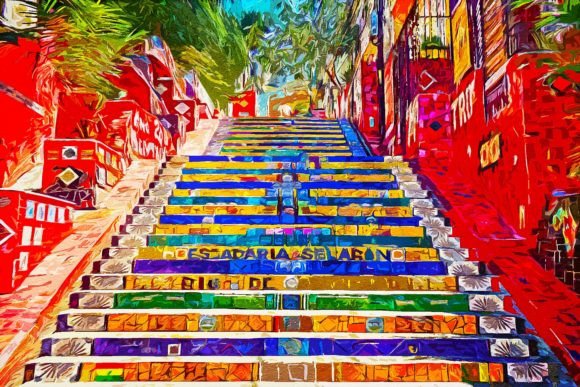
Upon loading Rio De Janeiro South America Oil Paint, the immediate sensation is one of warmth and artistic depth. Unlike flat vector graphics or sterile stock photography, this illustration carries the texture and soul of traditional oil painting. The color palette suggests the vibrant energy of Rio de Janeiro mixed with the sophisticated undertones of fine art. It creates an editorial mood that feels both lifestyle-focused and culturally rich. For a content creator looking to establish a tone that is modern, artistic, and slightly bold, this asset offers a unique advantage. It does not feel generic; instead, it suggests a narrative of travel, creativity, and human connection. In terms of visual hierarchy, the natural focal points in the artwork guide the eye immediately, which is essential for capturing attention in a crowded social media feed or a newsletter inbox.
Integrating into Real Publishing Workflows
I tested this graphic design asset across several key areas of my current content strategy. The versatility of Rio De Janeiro South America Oil Paint became apparent when I began applying it to various formats. For instance, using it as a featured image for a travel blog post instantly elevated the perceived value of the article. The texture adds a layer of professionalism that plain photos often lack. Furthermore, I explored its potential as a Pinterest pin. Because the illustration has strong composition and vibrant colors, it stands out effectively against the white background of the Pinterest interface, driving higher click-through rates.
Beyond standard blog posts, this asset proved useful for creating digital guides and downloadable resources. When designing a cover for a PDF eBook about Latin American culture, the oil paint style provided a premium look that justified the download. Similarly, for newsletter headers, the warm tones created a welcoming atmosphere that encouraged subscribers to open the email. It also works exceptionally well as a category thumbnail, helping readers visually distinguish between different sections of a website. Whether you are building a media kit for affiliate marketing pitches or designing Canva templates for small business branding, this illustration serves as a foundational element that ties your visual identity together.
Boosting Content Performance and Reader Trust
One of the primary goals of any digital publisher is to build reader trust. High-quality visuals signal that a website is professional and well-maintained. By incorporating Rio De Janeiro South America Oil Paint into your site, you are making a statement about your commitment to quality. Stronger first impressions lead to longer session times, while clearer visual hierarchy ensures that your message is understood quickly. This asset supports better category recognition, allowing users to navigate your content ecosystem more intuitively. When your website looks polished, visitors are more likely to engage with your affiliate links, subscribe to your newsletter, or purchase your digital products. It transforms a simple blog post into a branded experience.
Strategic Placement for Maximum Impact
To get the most out of this illustration, strategic placement is key. It excels as a hero image where large dimensions allow the texture to shine without losing detail. Article thumbnails benefit from the rich colors, making them pop in search results and social feeds. For editorial layouts, the asset can serve as a decorative accent that breaks up long blocks of text, keeping the reader engaged. It is also ideal for content upgrades, such as worksheets or printables, where a high-end aesthetic encourages downloads.
However, there are scenarios where caution is required. Small mobile thumbnails may obscure the intricate details of the oil paint texture, potentially resulting in a muddy appearance if the resolution is not optimized. Additionally, for text-heavy blog images, the complexity of the artwork might compete with the typography, reducing readability. If your niche requires a very minimal visual system, such as serious corporate content or strict financial advice, this artistic style might feel too playful or informal. In these cases, it should be used carefully, perhaps as a subtle background element with heavy overlay text, rather than the primary focus.
Essential Publisher Notes for Implementation
Before deploying Rio De Janeiro South America Oil Paint across your platforms, there are several technical and creative checks every publisher must perform. First, test the asset on both desktop and mobile screens to ensure it scales correctly. A graphic that looks stunning on a wide monitor might lose its impact on a smartphone display. Check how it appears as a thumbnail at reduced sizes; does the main subject remain clear? Preview the image inside a real blog layout to see how it interacts with your existing color scheme and navigation elements.
Typography pairing is another critical factor. Place the illustration beside serif fonts for a classic, editorial look, or try sans-serif fonts for a modern, clean contrast. You might even experiment with script or handwritten fonts for a more personal touch, though readability must remain the priority. Always check the contrast levels to ensure text remains legible over the artwork. Testing the image in black and white can reveal if the tonal values hold up without color, which is useful for accessibility compliance.
Finally, never overlook the practical aspects of web performance. Review the file size to ensure it loads quickly, as slow pages can hurt your SEO rankings. Compress images properly before uploading to balance quality with speed. Most importantly, confirm your commercial license. If you are using this asset on monetized websites, affiliate pages, or paid content products, ensure you have the right to use it commercially. Using a design asset without proper licensing can lead to legal issues down the line. Once you have verified these technical and legal requirements, Rio De Janeiro South America Oil Paint becomes a powerful tool in your creative arsenal, ready to elevate your brand identity and enhance your content marketing efforts.