Have a Nice Christmas: A Designer's Real-World Embroidery Review
When I first opened the file for Have a Nice Christmas, my immediate reaction wasn't about the technical specs or the stitch count. It was about the mood. There is a specific energy that comes with holiday designs, and this one hits a sweet spot between festive cheer and understated elegance. As someone who has spent years evaluating digital assets for commercial use, I know that a design can look perfect on a screen but fail miserably once it hits the hoop. That is why I am looking at this piece not just as a graphic, but as a potential finished product ready to be stitched onto custom apparel, tote bags, or baby clothes.
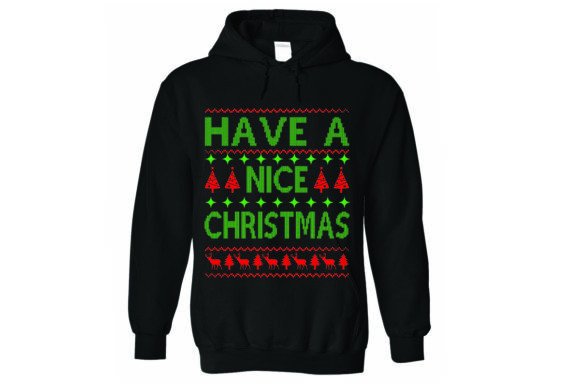
The visual personality of Have a Nice Christmas suggests a design that belongs in a cozy, handmade environment. The layout feels balanced, avoiding the cluttered look that often plagues holiday embroidery files. For an Etsy seller or a small business owner, this kind of clarity is gold. It translates well from a digital preview to a physical item, maintaining its charm whether it ends up on a thick sweatshirt or a delicate tea towel. The typography strikes a friendly tone, making it an excellent choice for personalized gifts where the recipient needs to feel a sense of warmth rather than just seeing a generic holiday logo.
From Screen to Stitch: Real-Life Application Scenarios
Let's imagine a real scenario. You are prepping for the holiday rush, and you need to create a boutique line of aprons for a local craft fair. You want something that screams "Christmas" without being overly kitschy. This is where Have a Nice Christmas shines. When I mentally mapped this design onto a canvas apron, the placement felt natural. It doesn't scream for attention; it invites it. The spacing allows the fabric texture to breathe, which is crucial for items like kitchen towels or pillow covers that people will touch and see frequently.
I also considered how this design would perform on a baby onesie. Holiday embroidery for infants requires a softer approach. The lines in this file appear clean enough to avoid poking or irritation while still delivering a strong visual message. If you are a maker specializing in nursery decor or baby gifts, Have a Nice Christmas offers a professional finish that parents appreciate. It elevates a simple garment into a keepsake. Similarly, for those creating embroidered patches or caps, the central focus of the design works well on curved surfaces, provided you use the right stabilizer to manage the tension.
For commercial embroidery projects, such as branding for a coffee shop during the holidays, this design serves as a versatile asset. It fits seamlessly into a collection of seasonal merchandise. Whether you are producing limited edition t-shirts or mass-producing tote bag designs, the consistency of the stitches ensures that every unit looks as good as the last. This reliability builds customer trust, which is essential for any creative entrepreneur looking to scale their handmade product line.
Navigating Technical Challenges and Fabric Choices
While the aesthetic appeal is undeniable, a practical designer knows that success lies in execution. Not every surface is created equal, and Have a Nice Christmas requires thoughtful consideration regarding fabric texture and stitch density. If you plan to stitch this on a stretchy fabric like a jersey knit t-shirt, you must be vigilant about hooping techniques. Without proper stabilization, the satin stitch areas might pucker, ruining the clean look of the lettering.
Dark fabrics present another challenge. While high contrast thread colors can make the design pop, you need to ensure there is sufficient coverage in the fill stitches to hide the underlying material. In some cases, a tear-away or cut-away stabilizer becomes non-negotiable to prevent the design from sinking into the fabric. Conversely, if you are working with textured fabrics like corduroy or heavy fleece, the fine details of the design might get lost. In these instances, testing on scrap fabric is absolutely mandatory before committing to your final product.
Small hoop sizes can also limit the effectiveness of this design. If the file includes intricate decorative accents or tiny lettering, shrinking it down to fit a 4x4 inch hoop might result in a loss of definition. The threads could merge together, turning crisp lines into muddy blobs. For products that require frequent washing, such as workwear or children's clothing, the durability of the stitching is paramount. Dense stitch areas hold up better over time, but they also require more care during the digitizing process to avoid excessive bulk.
Practical Notes for the Embroidery Professional
Before you start your next embroidery project, keep these critical steps in mind when using Have a Nice Christmas. First, always test the design on a scrap piece of the same fabric you intend to use. This simple step saves money and frustration by revealing potential issues with thread tension or fabric distortion. Second, review the stitch density carefully. If the file is too dense, it may cause needle deflection or thread breakage, especially on thinner materials.
Check your thread color contrast against both light and dark backgrounds. A design that looks vibrant on a white mockup might disappear on a navy blue background if the wrong thread shade is chosen. Use black and white mockups to verify that the composition holds up without the distraction of color. Furthermore, confirm the licensing terms before selling finished items. Some digital embroidery files allow for personal use only, while others permit commercial sales of the finished product. Understanding these distinctions protects your business from legal complications.
Don't forget to inspect small details closely. Tiny elements can sometimes get lost in the stitching process, so zoom in on the file and simulate the stitch path. Ensure that the running stitch and fill stitch transitions are smooth. If you are creating a layered garment, consider how the thickness of the embroidery will affect the fit. Finally, compare different stabilizer options to find the one that provides the best support without adding unnecessary stiffness to the final product.
Final Thoughts on Visual Appeal and Value
In the world of handmade products and digital design assets, perception is everything. A well-executed embroidery job communicates quality and care. Have a Nice Christmas has the potential to become a staple in your collection of holiday embroidery files. Its ability to convey a warm, inviting message makes it highly giftable and recognizable. Customers are drawn to designs that feel authentic and professionally finished, and this file delivers on both fronts.
Whether you are an experienced embroiderer or a hobbyist just starting out, this design offers a solid foundation for creating memorable items. From custom apparel to boutique branding, the versatility of Have a Nice Christmas is evident. By paying attention to the technical nuances discussed here, you can ensure that your finished product stands out in a crowded market. Remember, the difference between a good design and a great one often lies in the preparation and the careful selection of materials. With the right approach, this file can help you build a reputation for excellence in your craft business.
As you move forward with your own projects, let the practical insights guide your decisions. Test, adjust, and refine. The goal is to create a finished product that not only looks beautiful but also withstands the test of time and wear. Have a Nice Christmas is more than just a file; it is a tool for creating joy, one stitch at a time.