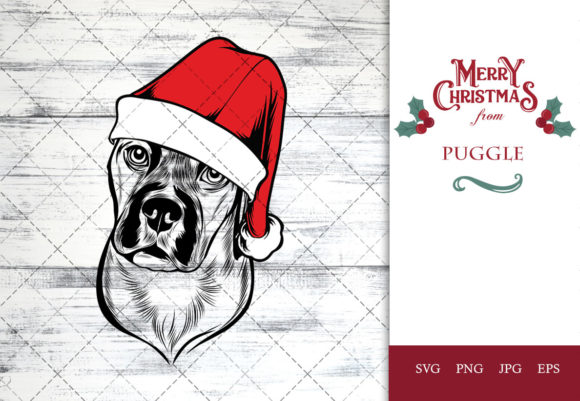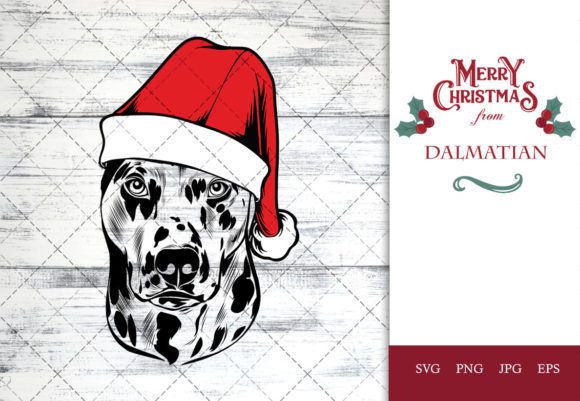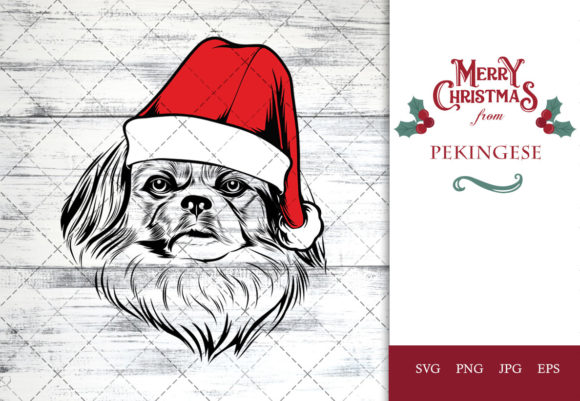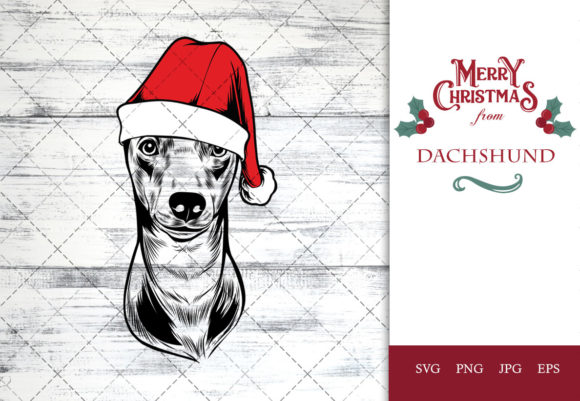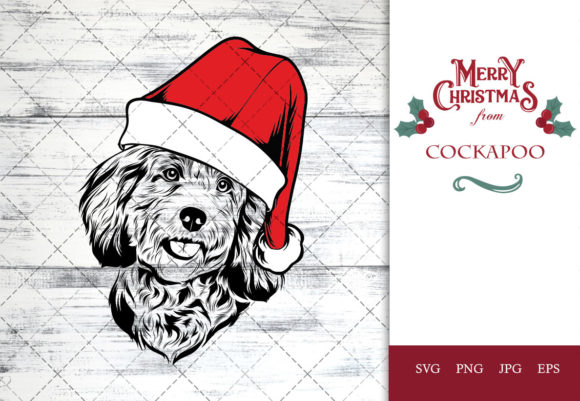
Cockapoo Dog in Santa Hat for Christmas
As a designer who has spent years turning digital files into tangible, stitched treasures, I approach every new embroidery file with a mix of excitement and skepticism. The holiday season is approaching, and the market is flooded with festive motifs. When I first laid eyes on the Cockapoo Dog in Santa Hat for Christmas design, my immediate reaction wasn't just about the cute subject matter; it was about how this specific image would translate from a screen to a piece of fabric. This isn't just a pretty picture; it is a strategic asset for anyone running a craft business, selling on Etsy, or creating personalized gifts for clients.
The mood created by Cockapoo Dog in Santa Hat for Christmas is undeniably warm and nostalgic. It captures that specific feeling of holiday comfort that makes people want to reach out and touch the item. Visually, the layout feels balanced, avoiding the cluttered look that often plagues complex holiday designs. The character's expression, combined with the iconic red hat, suggests a design that belongs in cozy, domestic settings rather than high-fashion runways. For a small shop owner looking to expand their inventory with seasonal items, this design offers a versatile foundation that can elevate everything from a simple kitchen towel to a premium boutique sweatshirt.
From Screen to Stitch: Real-World Application
I recently put Cockapoo Dog in Santa Hat for Christmas through a practical stress test before recommending it for a client project. The goal was to create a limited-run line of custom tote bags for a local holiday charity event. Tote bags present unique challenges because the canvas is often thin cotton or canvas blend, which requires careful handling to prevent puckering. I selected a natural-colored canvas bag and chose thread colors that would pop against the background without overwhelming the dog's fluffy texture.
The result was impressive. The design held its shape beautifully, proving that the stitch density was appropriate for medium-weight fabrics. However, the real test came when I considered how customers would react to the finished product. In my experience, buyers don't just purchase an object; they purchase the story behind it. A tote bag design featuring a Cockapoo instantly communicates joy and festivity. It is the kind of item that gets photographed and shared on social media, providing organic marketing for the seller. The design works particularly well as a standalone element on the front of a bag, allowing the craftsmanship to speak for itself without needing additional text or logos.
Beyond tote bags, this design has immense potential for custom apparel. Imagine a soft, heather-grey sweatshirt with the Cockapoo Dog in Santa Hat for Christmas embroidered over the heart area. The visual appeal here is strong because the contrast between the dark grey fabric and the bright red hat creates a focal point that draws the eye immediately. For baby embroidery projects, such as a onesie or a nursery blanket, the design's gentle curves and lack of aggressive angles make it perfect for delicate skin and soft textures. It transforms a standard gift into a keepsake that families will cherish for years.
Navigating Technical Challenges and Limitations
While the design is promising, an experienced reviewer must always highlight where caution is required. Not every surface is suitable for every machine embroidery design. One of the primary concerns with Cockapoo Dog in Santa Hat for Christmas is the level of detail involved in the fur texture. If you attempt to stitch this on a very small hoop size, such as those used for cufflinks or tiny patches, the details may blur together. The fine lines representing the dog's coat could merge into a solid mass if the resolution of the machine or the fineness of the thread isn't up to par.
Fabric texture also plays a critical role. While this design shines on smooth cottons and blends, applying it to highly textured fabrics like heavy bouclé or rough wool can be problematic. The needle might struggle to penetrate the dense weave, leading to skipped stitches or uneven tension. Similarly, stretchy fabrics like jersey require a stabilizer that provides enough support to keep the design from distorting during wear. Without proper stabilization, the circular nature of the hat might warp, ruining the symmetry of the finished product.
Dark fabrics present another hurdle. To ensure the white highlights and the red of the hat stand out, you need to select threads with high opacity. If the thread quality is low, the design might appear dull or muddy on a black t-shirt. Furthermore, curved surfaces like baseball caps require precise digitizing adjustments. If the design was not originally optimized for curved stitching, the top of the hat might sit too flat or too far forward on the cap. Always inspect the design closely before committing to a large production run on difficult substrates.
Design Assets and Professional Standards
In the world of Etsy sellers and creative entrepreneurs, presentation is everything. A poorly executed embroidery job can damage a brand's reputation faster than anything else. Using a high-quality digital embroidery file like this one ensures that your commercial embroidery projects maintain a professional edge. The clarity of the satin stitch and fill stitch areas directly impacts customer trust. When a buyer receives a handmade product where every thread lies perfectly flat and the colors are vibrant, they perceive higher value in the item.
This design also serves as an excellent tool for creating printable mockups. Before investing time in stitching, you can visualize how the Cockapoo Dog in Santa Hat for Christmas looks on various products using digital overlays. This allows you to test different color combinations and placements without wasting materials. For instance, seeing the design on a tea towel versus a pillow cover helps you determine which market segment appeals more to your target audience. These design assets are crucial for planning your holiday inventory strategy effectively.
Practical Notes for the Embroidery Designer
Before you load this file into your machine, there are several steps you must take to guarantee success. First and foremost, always test the design on scrap fabric that matches the weight and texture of your final project. This step is non-negotiable. It allows you to check thread color contrast and review stitch density under actual lighting conditions. What looks good on a monitor might look different under fluorescent store lights or natural sunlight.
You should also confirm the hoop size requirements. While the design might fit in a 4x4 inch hoop, expanding it slightly might reveal hidden details that get lost in smaller formats. Inspect small details, especially around the edges of the hat and the facial features, to ensure they are clean and distinct. If you plan to sell these items, double-check the licensing terms associated with the embroidery project. Some files are restricted to personal use only, while others allow for commercial sales of finished goods but not the digital file itself.
Finally, consider the washability of the project. Holiday gifts and everyday items like aprons will undergo frequent laundering. Ensure that the stabilizer you use is compatible with the washing instructions of the garment. A design that falls apart after two washes is a liability, not an asset. By following these guidelines, you ensure that the Cockapoo Dog in Santa Hat for Christmas remains a standout addition to your portfolio of handmade products.
Ultimately, this design represents a smart choice for the holiday season. It balances cuteness with technical feasibility, making it accessible for hobbyists while maintaining the quality standards expected by boutique owners. Whether you are creating a personalized gift for a family member or building a collection of small shop products for the holidays, this motif delivers on its promise of festive charm and professional execution.