Christmas Happy Bundle: A Designer's Real-World Review
As someone who has spent years turning digital files into tangible, stitched treasures for clients and my own craft business, I approach every new embroidery design with a mix of excitement and skepticism. You have seen the pretty mockups, but you need to know how it actually behaves under the needle. Today, I am putting the Christmas Happy Bundle through its paces. This isn't just about whether it looks good on a screen; it is about whether it will hold up on a tote bag, look professional on a sweatshirt, or survive the wash cycle of a baby onesie.
The First Impression: Mood and Visual Personality
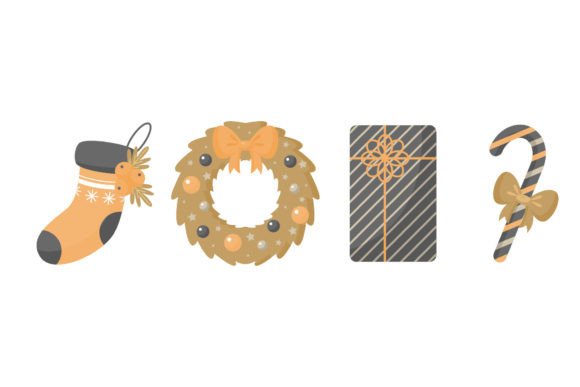
When I first opened the Christmas Happy Bundle, the immediate feeling was one of warmth and approachable cheer. Unlike some holiday designs that feel stiff or overly traditional, this collection leans into a modern, illustrative style. The shapes are clean, and the visual personality feels friendly rather than ornate. For an embroidery designer, this is crucial because it dictates where the design can live.
This bundle fits naturally into projects that aim for a "handmade" aesthetic without looking dated. The illustrations within the bundle suggest versatility. They are not heavy, dense blocks of texture that would overwhelm a delicate fabric, nor are they so sparse that they look unfinished on a thick canvas. It strikes a balance that makes it perfect for personalized gifts and boutique branding where a touch of whimsy is required. Whether you are creating holiday embroidery items for a craft fair or adding a festive touch to custom apparel, the mood here is consistently inviting.
Real-Life Scenario: The Holiday Tote Bag Project
Let's imagine a real scenario. It is November, and you are preparing inventory for your Etsy shop. You want to create a limited-edition tote bag design featuring a cheerful holiday motif that customers can grab as a stocking stuffer or a gift for teachers. You pull the Christmas Happy Bundle off your shelf.
I tested this specific scenario by digitizing a layout using the central illustration from the bundle on a sturdy canvas tote. The result was striking. Because the design relies on clear lines rather than tiny, intricate details, it translated beautifully onto the textured fabric of the bag. The satin stitch areas provided a nice sheen that caught the light, while the running stitch elements added a soft, hand-drawn feel that customers love. It didn't look like a mass-produced factory item; it looked like something crafted with care.
If you were to use this for small shop product lines, such as aprons or kitchen towels, the same logic applies. The design is large enough to be the focal point but simple enough that it won't get lost in the folds of a wrinkled apron. For an Etsy seller looking to boost engagement, this kind of reliable, high-quality imagery helps build trust. When a customer sees a photo of a finished product that matches the digital preview perfectly, they are more likely to convert.
Performance Across Different Fabrics and Garments
The true test of any machine embroidery design is its adaptability. The Christmas Happy Bundle proves itself well across a variety of mediums, but there are nuances to consider.
- Sweatshirts and Hoodies: These are ideal candidates. The thicker fabric provides a stable base for the stitches, allowing the fill stitch areas to pop without puckering. It works exceptionally well for sweatshirt embroidery on the chest or back, offering a cozy, festive vibe.
- Baby Embroidery: For baby clothes like bonnets or bibs, the design's softer edges are a major plus. However, you must ensure the hoop size is appropriate to avoid stretching the delicate knit fabric too much.
- Applique Design Options: If the bundle includes applique variations, these can add incredible depth to pillow covers or blankets. Layering textures creates a premium feel that elevates the perceived value of the final product.
- Caps and Hats: Curved surfaces present a challenge. While the design is versatile, placing it on a small cap requires careful attention to the curvature. The stitch density needs to be managed so the design doesn't distort the fabric of the hat's crown.
However, if you are working with textured fabrics like bouclé or extremely thin silks, proceed with caution. The fine details in the illustrations might get lost or cause the fabric to bunch. Similarly, on dark fabric, you will need to select thread colors that offer high contrast, or the design may lack the punch it needs to stand out.
Where to Exercise Caution
Even the best digital embroidery file has its limitations. As a reviewer, I want to be honest about where the Christmas Happy Bundle might struggle.
Small Hoop Sizes: If you are working with a 4x4 inch hoop, some of the larger illustrations might need to be resized significantly. Shrinking them down too much can merge separate elements, making the design look muddy. Always check the hoop size requirements before committing to a small project like a pocket detail or a cuff.
Dense Stitch Areas: If your design features tight clusters of stitches, be mindful of the fabric type. On stretchy materials like jersey, high density can cause the fabric to ripple. In these cases, using a proper stabilizer is non-negotiable. Without it, the finished product will look warped.
Layered Garments: If you plan to embroider over a pocket or a zipper, ensure the underlying layers do not shift during stitching. The Christmas Happy Bundle is detailed enough that misalignment will be obvious, so double-check your placement.
Impact on Brand and Customer Perception
In the world of handmade goods, visual appeal translates directly to sales. A well-executed embroidered patch or a crisp tea towel design signals professionalism. The Christmas Happy Bundle contributes positively to brand consistency. Its cohesive style means you can mix and match different elements from the collection to create a unified line of products.
For commercial embroidery projects, clarity is king. Customers want to see exactly what they are buying. When the finished product mirrors the printable mockup closely, it reduces returns and increases satisfaction. This design helps achieve that alignment. It is clean, legible, and aesthetically pleasing, which fosters buyer engagement and encourages repeat purchases.
Practical Designer Notes Before You Stitch
Before you hit the start button on your machine, here is my professional advice for getting the most out of the Christmas Happy Bundle:
- Test on Scrap Fabric: Never go straight to your final garment. Run a test on a scrap piece of the same material to check for puckering or tension issues.
- Check Thread Color Contrast: Ensure your chosen threads provide enough contrast against the background fabric. A low-contrast design can look dull and unprofessional.
- Review Stitch Density: Look at the density settings in your software. If the design is too dense for the fabric weight, it may become stiff or difficult to stitch smoothly.
- Inspect Small Details: Zoom in on the smallest elements. If they are too tiny for the fabric you are using, consider simplifying the design or choosing a different element from the bundle.
- Black and White Mockups: Convert your design to grayscale to see how the shapes read without color. This helps verify that the composition holds up even if the colors clash slightly.
- Licensing Confirmation: If you are selling finished items or digital previews, always confirm the licensing terms. Some design assets allow personal use only, while others permit commercial sale of the final embroidered product.
The Christmas Happy Bundle is a solid addition to any designer's library. It offers a blend of charm and practicality that works well for both hobbyists and serious entrepreneurs. By understanding its strengths and respecting its limitations, you can create stunning embroidery projects that bring joy to recipients and success to your business.